



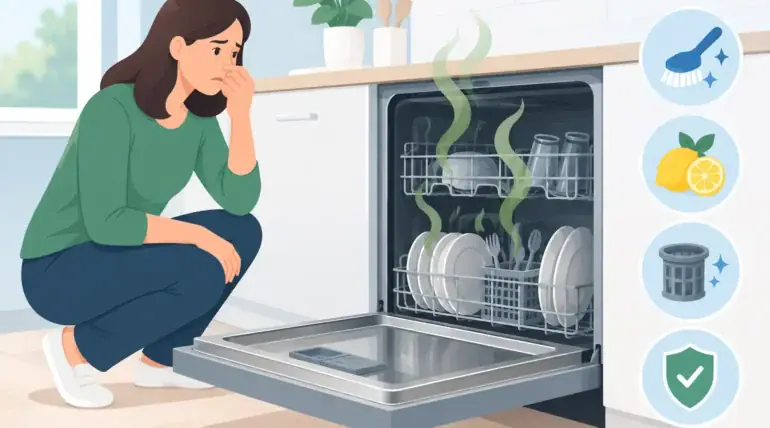
A dishwasher should leave your dishes clean, not leave your kitchen smelling like sour food, wet towels, or a backed-up drain. If you are wondering why dishwasher smells after cycle, the answer is usually trapped food debris, standing water, or a drainage issue that needs attention. The good news is that many odors have a straightforward cause. The key is finding it before the smell becomes a recurring problem or affects how well your dishwasher cleans.
Why Dishwasher Smells After Cycle
Most dishwasher odors start when moisture and food particles sit where they should not. Your dishwasher is a warm, damp appliance by design, which makes it an easy place for residue to collect and bacteria to grow if water is not draining completely.
A smell that appears immediately after a cycle can point to debris in the filter or around the door seal. A smell that is strongest after the dishwasher has been sitting closed for a few hours may suggest stagnant water in the bottom of the tub, drain hose, or garbage disposal connection. The scent itself can offer a useful clue, but it is not a diagnosis on its own.
A mild odor after a heavy load may be solved with cleaning. A persistent sewage-like smell, repeated standing water, or poor washing performance usually calls for a closer inspection.
Common Causes of Dishwasher Odors
A dirty filter is holding food residue
Many modern dishwashers have a removable filter at the bottom of the tub. Its job is to catch food particles before they move deeper into the drain system. Over time, grease, starch, and small pieces of food can build up on the filter and create a sour or musty odor.
Check your owner’s manual for filter removal instructions. In many models, the filter twists out by hand. Rinse it under warm running water and use a soft brush with dish soap to loosen residue. Avoid harsh scrubbers that could damage the mesh or plastic components.
If the filter has not been cleaned in months, this is often the first place to start. Homes that run frequent loads, rinse dishes lightly, or wash cookware with greasy residue may need to clean the filter more often.
Food is trapped in the spray arms or around the door
The filter is not the only place debris can collect. Small food particles can settle near the lower spray arm, in its openings, or along the bottom edge of the dishwasher door. The rubber door gasket can also hold moisture, grease, and residue, especially in areas that are not flushed directly by the spray arms.
Wipe the gasket and door edge with a damp cloth and mild dish soap. Check the spray arm holes for visible debris. If a spray arm is removable on your model, rinse it thoroughly before reinstalling it. A clogged spray arm can affect cleaning performance as well as contribute to odors.
Water is not draining fully
Open the dishwasher after a cycle and look at the bottom of the tub. A small amount of water near the drain area can be normal on some models, but a visible puddle or pooled water is not. Standing water gives odor-causing bacteria a place to grow between cycles.
Poor drainage can happen because of a blocked filter, clogged drain hose, faulty drain pump, or obstruction in the household plumbing connection. It can also be caused by a kinked hose or an installation issue that allows dirty sink water to flow back toward the dishwasher.
If you clear the filter and still see water at the bottom after every cycle, do not keep running the dishwasher and hope it clears itself. Repeated drainage problems can lead to leaks, poor cleaning, and more extensive repairs.
The drain hose may be allowing backflow
A dishwasher drain hose needs to be installed correctly to prevent wastewater from traveling back into the appliance. Depending on local plumbing requirements and your kitchen setup, the hose may use a high loop or connect through an air gap. If the hose is positioned too low, dirty water from the sink drain can move back into the dishwasher.
This issue often creates a sewage-like odor rather than a simple food smell. You may also notice the dishwasher smells worse after using the kitchen sink or garbage disposal. Because drain hose routing and connections vary by home, this is a good situation for a trained technician to inspect rather than guess at a fix.
The garbage disposal connection is blocked
If your dishwasher drains through a garbage disposal, a blockage at that connection can prevent wastewater from leaving the dishwasher properly. This is especially common after a new disposal installation, when the dishwasher drain knockout plug was not removed.
The result can be slow drainage, water left in the tub, and unpleasant smells after a cycle. If the dishwasher odor started soon after plumbing work or a disposal replacement, that timing matters. Let a technician know what changed and when the problem began.
Grease and soap buildup are coating the tub
Using too much detergent, running mostly short cycles, or washing heavily greasy items can leave a film inside the dishwasher. That film may not be obvious at first, but it can trap residue and create a stale smell over time.
Hard water can make the problem worse by leaving mineral deposits that hold onto soap and grime. If dishes look cloudy, feel gritty, or come out with an odor, the dishwasher may need more than a quick rinse of the filter.
How to Remove Dishwasher Odor Safely
Start with the simple steps before using specialty cleaners. Turn off the dishwasher, remove the lower rack, and inspect the bottom of the tub for food scraps, labels, broken glass, or standing water. Remove debris carefully, then clean the filter and wipe the gasket.
Next, run an empty hot-water cycle with a dishwasher cleaner made for your appliance. Follow the cleaner’s instructions exactly. A cleaner can help remove grease and mineral buildup, but it will not fix a damaged pump, blocked hose, or backflow issue.
Avoid combining cleaning products. Mixing vinegar, bleach, or other household chemicals can create fumes or damage dishwasher components. Bleach is also not appropriate for every dishwasher interior, particularly models with stainless steel tubs. When in doubt, use a product approved for dishwashers and follow the appliance manufacturer’s guidance.
After the cleaning cycle, leave the door slightly open for a while so the interior can dry. This will not solve a drainage problem, but it can reduce ordinary moisture-related odors between loads.
Habits That Help Keep Odors From Returning
You do not need to prewash every dish, but scrape off large food scraps before loading. This reduces what reaches the filter and drain system. Run the dishwasher regularly instead of leaving dirty dishes inside for several days, especially during warm weather.
Clean the filter about once a month for most households. Consider doing it every two weeks if you cook often, have a large family, or notice residue building up quickly. Wipe the door gasket as part of normal kitchen cleaning, and run a dishwasher cleaner periodically if your water is hard or the machine sees heavy use.
It also helps to use the right amount of detergent. More detergent does not always mean cleaner dishes. Excess soap can leave residue behind, particularly in soft water or on shorter cycles.
When a Dishwasher Smell Means You Need Repair
A little trapped food is a maintenance issue. Persistent odors paired with other symptoms are different. Schedule service if you notice standing water after a cycle, water backing up when the sink drains, gurgling sounds, leaking, weak spray pressure, or dishes that remain dirty despite cleaning the filter.
A burning smell or electrical odor deserves immediate attention. Stop using the dishwasher and have it inspected. Do not run additional cycles to test whether the smell goes away.
For homeowners in Cincinnati, Columbus, Dayton, Indianapolis, or Louisville, a local appliance technician can inspect the drain pump, hose routing, valves, seals, and internal wash system without the trial and error. Smart Appliance Repair provides clear explanations, upfront pricing, and dependable service when a dishwasher problem goes beyond routine cleaning.
A dishwasher that smells once may only need a clean filter. A dishwasher that smells after every cycle is telling you something is not working as it should. Addressing it early can restore a fresher kitchen and help prevent a small drainage issue from becoming a larger repair.


