



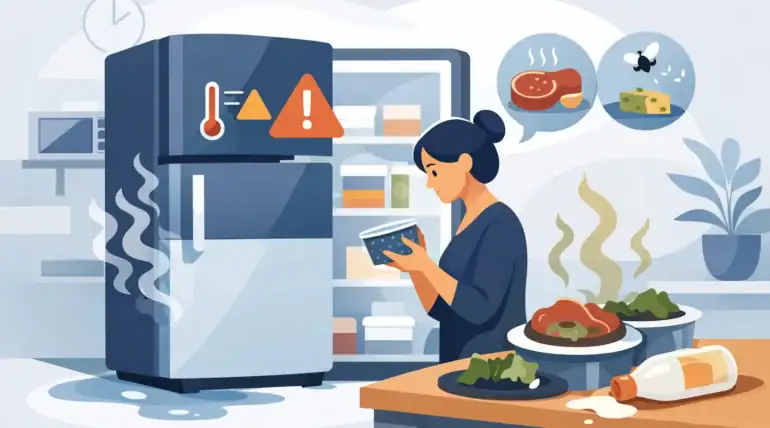
A refrigerator rarely quits without warning. More often, it starts with milk that is not quite cold, a motor that runs longer than usual, or a puddle you keep meaning to clean up. Knowing how to spot fridge failure early can protect your food, prevent water damage, and give you time to schedule a repair before a minor issue becomes a complete breakdown.
For busy households, a refrigerator problem is urgent. For restaurants, small markets, and other businesses handling perishables, it can interrupt operations and create expensive product loss. The key is knowing which changes deserve attention now and which may have a simple explanation.
How to Spot Fridge Failure: Start With Temperature
A healthy refrigerator should hold food at 40°F or below, while the freezer should stay at 0°F. If refrigerated food feels warmer than normal, do not rely on the control dial alone. Use an appliance thermometer placed in a glass of water in the fresh-food section, then check it after several hours.
Warm temperatures can point to a failing compressor, evaporator fan, condenser fan, thermostat, control board, or defrost system. It can also be caused by something less serious, such as overpacking the shelves and blocking air circulation. A door that is not sealing properly can create the same problem by allowing warm kitchen air inside.
Food gives useful clues, too. Condensation inside packages, soft butter that used to stay firm, drinks that never get cold, or produce spoiling unusually fast all deserve attention. If the refrigerator is above 40°F for more than two hours, perishable items such as meat, dairy, leftovers, and prepared foods may no longer be safe to keep.
Listen for Changes in Normal Operation
Every refrigerator makes some sound. You may hear a gentle hum, water moving during a defrost cycle, or an occasional click as the compressor starts. What matters is a sound that is new, loud, repetitive, or paired with poor cooling.
A constant loud hum may mean the unit is working too hard to maintain temperature. Repeated clicking can indicate that the compressor is struggling to start. Rattling, squealing, grinding, or a fan-like scraping sound may point to a worn motor or an obstruction around a fan blade.
Do not ignore silence, either. If the interior lights work but the refrigerator has stopped making its usual operating sound and temperatures are rising, the cooling system may not be running. Unplugging and plugging the unit back in repeatedly is not a fix and can make diagnosis harder. Check the outlet and breaker once, then arrange professional service if the appliance still is not cooling.
Watch for Frost, Ice, and Uneven Cooling
A little frost can happen when a freezer door is left open. Thick frost on the back wall of the freezer, however, is often a sign that the automatic defrost system is not doing its job. As ice builds up around the evaporator coils, cold air cannot move properly into the refrigerator compartment.
This problem often looks confusing at first. The freezer may seem cold while the refrigerator section gets warm, especially near the top shelves. You may also notice frost-covered food, ice accumulating around vents, or a fan sound that changes as blades hit ice.
Avoid chipping ice away with a knife, screwdriver, or other sharp tool. It is easy to puncture a liner or refrigerant line, turning a repairable issue into a much larger problem. A full manual defrost may temporarily restore cooling, but recurring frost means the underlying component still needs to be diagnosed and repaired.
Check the Door Seals and Door Alignment
A refrigerator cannot cool efficiently if warm air keeps entering through the door. Run your hand around the closed door to feel for cold air escaping. You can also close the door on a dollar bill. If it slides out with almost no resistance in several areas, the gasket may be worn, dirty, torn, or out of position.
Before assuming the seal has failed, clean it with warm water and mild soap, then dry it thoroughly. Check that containers, shelves, or food packages are not preventing the door from closing all the way. A refrigerator that sits unevenly can also cause alignment issues.
If the door still will not seal, do not put off service. A bad gasket makes the compressor run longer, raises energy use, and puts extra wear on the cooling system. It can also lead to excess moisture, frost, and inconsistent food temperatures.
Treat Water Leaks as a Repair Warning
Water on the floor near your refrigerator is never something to ignore. Sometimes the answer is simple: a spill, an ice maker fill tube that shifted, or a water filter that was not installed correctly. But a recurring puddle may come from a clogged defrost drain, cracked water line, damaged drain pan, or leaking inlet valve.
Look inside the refrigerator, too. Water collecting beneath crispers can indicate a blocked drain line. Ice beneath the freezer drawer can be another defrost drainage warning. If your model has a dispenser or ice maker, inspect the visible supply line for drips, but do not attempt to disassemble hidden connections without the proper tools.
Turn off the water supply if you see an active leak, protect nearby flooring, and schedule repair promptly. Even a slow leak can damage cabinets, flooring, and walls over time.
Notice When the Compressor Runs All the Time
On hot days or after loading a large amount of groceries, it is normal for a refrigerator to run longer. It should eventually cycle off once it reaches the set temperature. A unit that seems to run continuously may have dirty condenser coils, poor airflow, a failing fan, a weak door seal, or a more serious cooling-system problem.
If your refrigerator has accessible condenser coils, carefully vacuum away dust and pet hair after unplugging the appliance. Keep a clear space around the refrigerator so heat can escape. These basic steps can improve efficiency, but they will not solve every cause of nonstop operation.
Continuous running combined with warm food, loud clicking, or a hot exterior cabinet calls for professional diagnosis. The compressor and sealed system are not DIY repair areas. They require specialized equipment and experienced service to identify the real cause without replacing parts unnecessarily.
When a Fridge Problem Needs Same-Day Attention
Some refrigerator issues can wait for a convenient appointment. Others should be addressed right away, especially when food safety or water damage is involved. Act quickly if you notice any of these signs:
- The refrigerator or freezer is no longer holding a safe temperature.
- You smell burning, see smoke, or notice a hot electrical odor.
- Water is actively leaking onto the floor.
- The appliance repeatedly trips a breaker or has a damaged power cord.
- The compressor clicks continuously while the refrigerator gets warmer.
For a burning smell, smoke, or electrical concern, unplug the refrigerator if it is safe to do so and avoid using it until it has been inspected. Move perishable food to a working refrigerator, freezer, or cooler with ice. Keeping the doors closed as much as possible helps preserve cold air while you make a plan.
What to Do Before You Schedule Refrigerator Repair
A few details can help a technician diagnose the issue faster. Note whether the freezer is cold, whether the refrigerator compartment is warm, when you first noticed the change, and whether there are leaks, frost, error codes, or unusual sounds. Take a photo of the model and serial number label if it is easy to access.
Do not assume an older refrigerator must be replaced. Many common failures involve parts that can be repaired or replaced at a lower cost than purchasing a new appliance. On the other hand, a refrigerator with a major sealed-system issue, repeated breakdowns, or extensive corrosion may be a better candidate for replacement. The right decision depends on the appliance’s age, condition, repair cost, and expected remaining life.
A trained technician can explain the cause clearly, provide upfront pricing, and help you make that call with confidence. Smart Appliance Repair provides fast, trusted refrigerator service for homeowners and businesses that need their equipment back in working order.
Your refrigerator works around the clock, so small changes are worth noticing. If cooling is inconsistent, water is appearing where it should not, or the sounds have changed, acting early can save the groceries in your kitchen and prevent a much more stressful failure tomorrow.


