



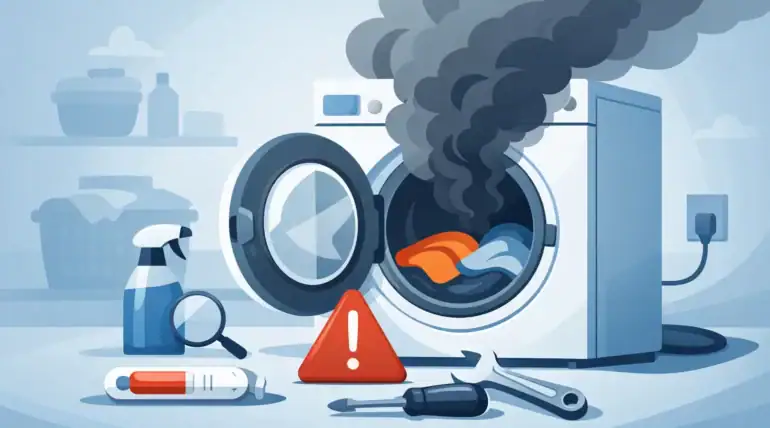
A burning smell during a drying cycle is not a symptom to ignore, especially when laundry is running unattended. If you are asking, why does dryer smell burning, the answer may be as simple as lint near a heat source or as serious as an electrical or mechanical failure. Stop the dryer, turn it off, and do not restart it until you have checked the obvious causes or had the appliance inspected.
Why Does Your Dryer Smell Burning?
Dryers create high heat and move large volumes of air. When airflow is restricted, a moving part wears out, or an electrical connection overheats, that normal heat can turn into a sharp burning odor. The smell itself offers a useful clue. A dusty or scorched-lint smell often points to a venting issue, while a rubbery odor can suggest a slipping belt. An acrid smell like burning plastic or wiring deserves immediate professional attention.
The timing matters, too. A smell that appears only at the beginning of a cycle may be dust burning off after the dryer has been unused. A smell that grows stronger as the dryer runs, returns every cycle, or comes with unusual noises is a sign to stop using the machine.
What to Do Right Away
Unplug an electric dryer if you can safely reach the plug. For a gas dryer, turn the appliance off and avoid touching gas connections. Do not run another load to see whether the smell goes away. Heat, lint, and damaged components can create a fire risk when a dryer continues operating.
Check the lint screen and remove all visible lint. Then look around the dryer, behind it, and near the vent connection for loose lint, clothing, paper, or stored items. The area around a dryer should stay clear. If you see smoke, sparks, charring, or an active flame, leave the area and call emergency services.
Do not take apart electrical panels or try to bypass a safety switch. A quick inspection can be helpful, but electrical and internal heating problems are best handled by a trained dryer technician.
Common Causes of a Burning Smell From a Dryer
Lint buildup and blocked venting
Lint is the most common cause of dryer-related burning odors. Cleaning the lint screen after every load helps, but lint can still collect in the vent hose, wall duct, blower housing, and areas underneath the lint filter. Restricted airflow causes heat to build up inside the machine. Clothes may take longer to dry, the dryer cabinet may feel unusually hot, and the odor may resemble hot dust or scorched fabric.
A crushed flexible vent hose behind the dryer can cause the same problem. So can a vent flap outside the home that is stuck shut. Long vent runs, multiple bends, and birds’ nests near an exterior vent cap can make airflow problems more likely. Commercial dryers and heavily used household dryers may need more frequent vent maintenance because lint accumulates faster.
A worn dryer belt, roller, or idler pulley
A dryer drum turns on a rubber belt supported by rollers and a tension pulley. When a belt slips, cracks, or rubs against another component, it can produce a burning-rubber smell. You may also notice squealing, thumping, scraping, or a drum that turns slowly or stops turning altogether.
This is not a repair to put off. A damaged belt can break during a cycle, and worn support parts can place extra strain on the motor. A technician can identify which part is failing and check for the underlying cause rather than replacing a belt alone when another worn component caused the damage.
Overheating electrical components
Burning plastic, hot wiring, or an acrid chemical smell can point to an electrical issue. Possible causes include a failing heating element, damaged wire insulation, a loose terminal, a worn motor, or a control board problem. Electric dryers use high-voltage power, so these issues require careful diagnosis.
A dryer may still heat and tumble even when an electrical connection is beginning to fail. That does not make it safe to use. Stop the appliance and arrange service if the smell is sharp, persistent, or accompanied by flickering displays, tripped breakers, buzzing, or a plug or outlet that feels hot.
Something caught near the heating system
Small items can fall through gaps in the drum or get trapped in the lint path. A dryer sheet, sock, receipt, crayon, or piece of packaging may melt or scorch near a hot component. Check the drum carefully after the dryer has cooled. Look for melted residue, marks on clothing, or foreign objects around the lint screen opening.
Do not scrape or force objects out of areas you cannot reach safely. A trapped item may be a symptom of a damaged drum seal or another issue that needs repair.
A new dryer or recently cleaned dryer
A mild odor can occasionally occur when a new dryer is first used or after dust has settled inside an appliance that has been inactive. This smell should be light, brief, and should not return after a short period of normal operation. It should never include smoke, visible residue, overheating, or a strong electrical odor.
When in doubt, treat the smell as a warning rather than assuming it is normal. The inconvenience of pausing laundry is far less costly than the risk of a dryer fire or a more extensive repair.
Signs You Need Dryer Repair Now
A clogged lint screen is one thing. A burning smell combined with other symptoms is another. Schedule prompt service if your dryer has any of the following warning signs:
- The burning smell returns after cleaning the lint screen and checking the vent hose.
- Clothes take more than one cycle to dry or come out unusually hot.
- The dryer makes squealing, grinding, scraping, or thumping noises.
- You see smoke, scorch marks, melted material, or lint around hot areas.
- The breaker trips, the outlet gets hot, or the dryer stops and starts unexpectedly.
Gas dryer owners should also take unusual odors seriously. A burning smell is different from the faint gas odor that may occur briefly during ignition, but any strong gas smell requires immediate action. Turn the dryer off, leave the area if the odor is strong, and contact your gas utility or emergency services as appropriate.
Can You Keep Using a Dryer That Smells Burning?
No. Do not continue using a dryer that repeatedly smells like it is burning. Even if the machine still runs, a blocked vent can overheat the appliance, a worn belt can damage other parts, and an electrical fault can worsen quickly. Waiting may turn a manageable repair into a failed motor, damaged heating system, or safety hazard.
If the smell disappeared after you removed a clearly identified item and the dryer is otherwise operating normally, monitor the next cycle closely. But if there is any uncertainty, stop using it. A professional inspection can check the heating system, airflow, motor, drum support components, wiring, and safety controls in one visit.
How to Help Prevent Dryer Burning Smells
The best prevention is consistent airflow and basic dryer care. Clean the lint screen before or after every load, and wash the screen occasionally with warm water and mild soap if fabric softener residue has built up. A coated screen can look clean while restricting airflow.
Keep the outside vent opening clear, use the correct vent material, and avoid pushing the dryer so close to the wall that it crushes the hose. Have the full vent path cleaned when drying times increase, when the outside flap is not opening properly, or as part of regular home maintenance. Homes with large families, pets, or frequent laundry loads may need service sooner.
Avoid overloading the dryer. Heavy loads reduce air circulation, make the motor work harder, and can cause clothing to bunch against hot surfaces. Empty pockets before washing as well. Small items that make it through the washer can become a problem inside the dryer.
A burning smell is your dryer asking for attention before a small issue becomes a major disruption. If your machine has persistent odors, excess heat, or unfamiliar noises, Smart Appliance Repair can help identify the cause and get your laundry routine back on track with clear, honest repair recommendations.


